
Client Exit Offboarding Pack With AI (Handover, Access Cleanup, Final Invoice)
Close a freelance or SMB engagement without loose ends: a Google Doc handover brief, access and secrets inventory, data export checklist, knowledge transfer agenda, and a three-email Gmail closure sequence—structured with ChatGPT prompts you can paste today.
By DoAIWork · November 6, 2026

Why this exists (and what it is not)
Ending a client engagement is where money, reputation, and compliance meet. The goal is a clean exit: the client keeps continuity, you get paid, and nobody discovers six months later that an old API key still works.
This playbook is not the same as winding down an ongoing support retainer or a mid-project pause. It is for the terminal handover moment when delivery is done and the relationship is closing—freelance milestone delivery, SMB project wrap-up, or agency phase completion.
What you will produce
By the end you should have four durable artifacts:
- A Handover & Closure Brief (Google Doc) with scope freeze, timeline, responsibilities, and sign-off language
- An Access & Secrets Inventory (can live as a section in the same doc) listing accounts, owners, rotation actions, and revoke dates
- A Data export checklist (what to export, where it lands, retention note)
- A written closure email sequence (Gmail) for the final week
Use ChatGPT as a structured editor—not as a lawyer. If contracts, payroll, or regulated data are involved, get human review.
The exit flow (bird’s-eye)
When you have three or more phases with hand-offs, sketch the system before you touch tools.
Step 1 — Freeze scope with an explicit “done” definition
Outcome: one paragraph your client can quote internally (“We are complete on X as of DATE.”).
Do this first:
- List deliverables already accepted vs. optional nice-to-haves
- Name a single source of truth document link (the Handover Brief)
ChatGPT prompt (paste into ChatGPT):
Act as an operations editor. I’m closing a client engagement. Here are deliverables and current blockers: [paste bullets]. Rewrite into a single neutral paragraph that defines “done,” freezes scope for two weeks, and proposes a final acceptance checkpoint. No legal guarantees. Tone: professional, calm.
Step 2 — Build the Handover Brief in Google Docs
Outcome: a client-facing doc with predictable sections so approvals are fast.
Suggested outline:
- Context & timeline
- Final deliverables and acceptance criteria
- Operating “runbook” (where things live, who owns what)
- Support boundary after exit (if any)
- Sign-off block (names, dates)
ChatGPT prompt:
Turn these raw notes into a Google Docs-friendly outline with H2 headings and bullet lists: [paste notes]. Add a short “Risks & open items” section. Keep language non-legal and practical.
Step 3 — Inventory access and secrets (the unglamorous part)
Outcome: no surprise logins on day 45.
Build a table with columns: system, access type, owner on client side, revoke date, evidence (screenshot optional).
Typical rows: hosting, domain DNS, ad accounts, analytics, payment processors, CRM, automation tools, shared inboxes, API keys you issued.
ChatGPT prompt:
Here is a list of systems and rough roles: [paste]. Produce a tidy markdown table for an access inventory plus a “revoke order” that reduces blast radius (production first, then integrations, then email aliases). Flag items that usually need client approval.
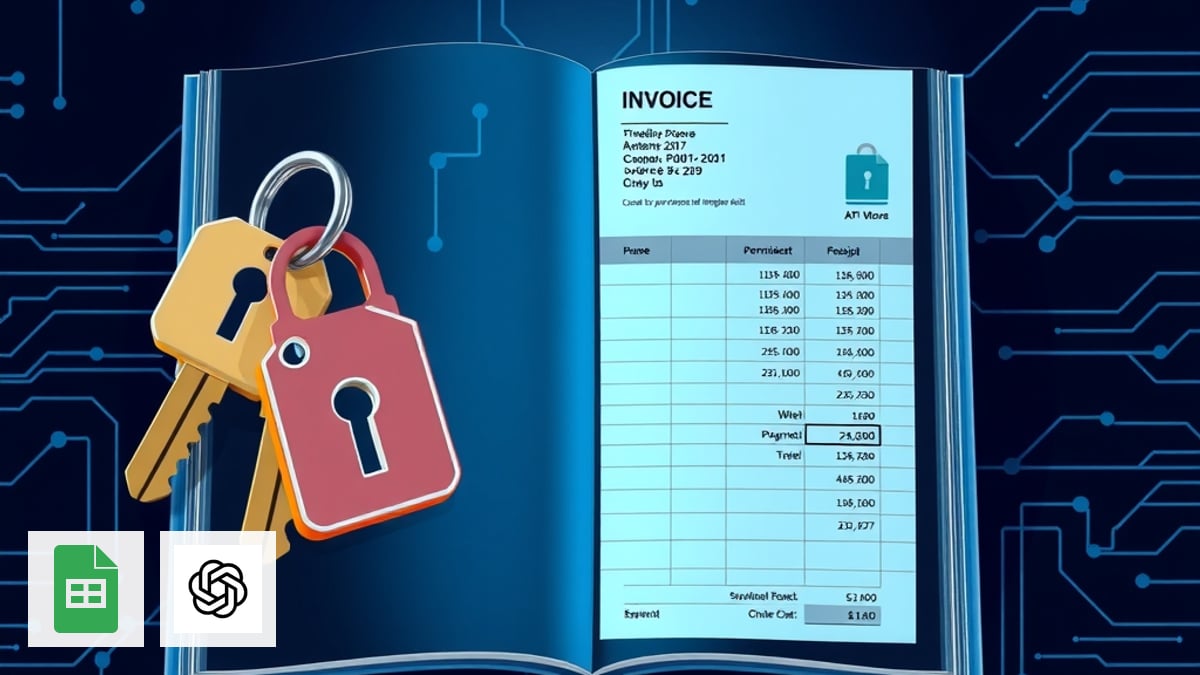
This is the moment access cleanup becomes tangible—worth one honest visual.
Step 4 — Export, archive, and naming
Outcome: a zip or folder structure the client can navigate without calling you.
Rules of thumb:
- Export source-of-truth formats (not only PDFs of dashboards)
- Separate working vs. historical archives
- Write a one-page README in the archive root (“What this is / how to open / who owns it”)
ChatGPT prompt:
Given these systems and file types: [paste], propose a folder tree and file naming convention (YYYY-MM-DD_project_component). Add a 10-line README template.
Step 5 — Knowledge transfer that respects attention spans
Outcome: two short sessions (or async Loom-style equivalents) instead of one marathon.
Agenda template (30–45 minutes each):
- “Where everything lives” map (5 minutes)
- Top 3 failure modes + how to detect them (15 minutes)
- “If this breaks, do this first” checklist (10 minutes)
- Q&A with captured follow-ups in the Handover Brief (remainder)
ChatGPT prompt:
Convert my messy notes into a tight meeting agenda with time boxes and a list of “must-show” links. Assume a smart but busy client ops owner.
Step 6 — Close with Gmail (announce → remind → receipt)
Outcome: predictable communication, fewer “just one more thing” loops.
Send three emails:
- Handover posted — link to doc, what you need from them, deadline for access confirmation
- Access revoke day — plain list of what you removed / what they must remove; keep it factual
- Closure + invoice — final invoice reference, optional support boundary, thank-you
ChatGPT prompt:
Draft three short Gmail emails for an engagement closure. Constraints: no legal threats, no fake metrics, include placeholders for links. Tone: warm, crisp, boring-in-a-good-way.
Quality checks before you revoke anything
- Confirm the client copied shared drives they need before you downgrade permissions
- Rotate or delete API keys you created; prefer new keys on the client side when possible
- Save invoices/receipts in your own bookkeeping archive (your problem too)
If something goes wrong
- Scope creep in the final week: respond with the frozen scope paragraph + options (paid extension vs. new SOW)
- Ghosting on approvals: send a time-boxed reminder with the consequence date for access removal (still professional)
- Data you cannot export: document the limitation honestly in the Handover Brief
Related reading
Browse more step-by-step playbooks on DoAIWork in guides—especially client communication packs when you need adjacent workflows.
Honest expectation: a clean offboarding does not guarantee a glowing testimonial. It does reduce liability, speed up final payment, and protect both sides from sloppy leftovers—exactly the kind of “invisible” professionalism SMBs remember when they hire again.
Related guides
Send Post-Discovery Client Homework With AI (Google Forms + Gmail)
After your post-discovery recap, send a short Google Forms questionnaire—drafted with ChatGPT and delivered via Gmail—so clients confirm details in writing before you write scope.
Read guide
Send a Post-Discovery Call Recap Email With AI the Same Day
After a sales or discovery call, send a same-day recap that confirms decisions, surfaces open questions, and sets a mutual action plan—using ChatGPT, Google Docs, and Gmail.
Read guide
Build a Pre-Client Call Brief With AI in 10 Minutes (Calendly + Your Notes)
Stop winging discovery calls. Pull Calendly answers, Gmail threads, and LinkedIn snippets into one honest pre-call brief so you listen better and quote faster.
Read guide